Source Hiking Hat Options for Camping, Fishing, and Outdoor Use
Explore 30 verified hiking hat listings featuring customizable designs, various materials like polyester and cotton, and specialized features such as sun protection and moisture wicking. Compare specifications from Chinese manufacturers to find the ideal headwear for your outdoor needs; compare the available evidence and request quotations based on your requirements.
Key considerations
Products List


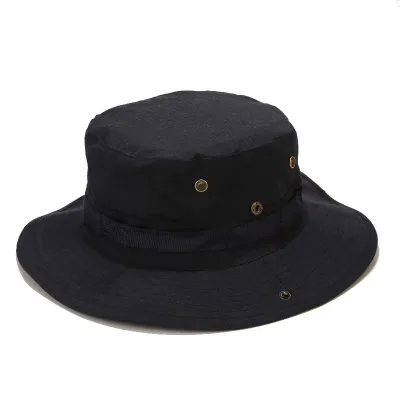

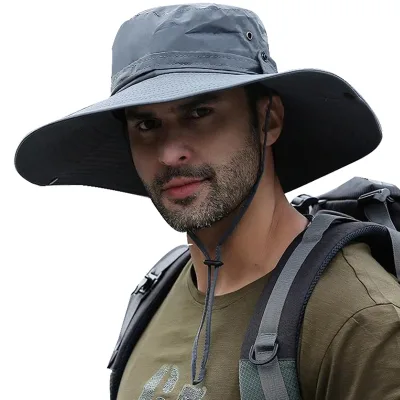


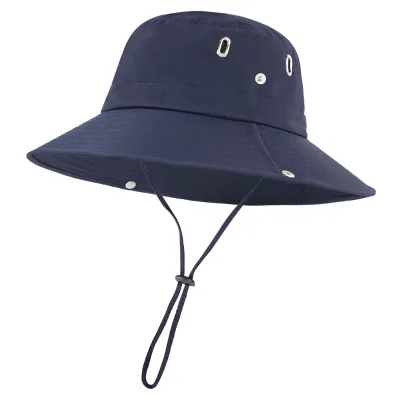
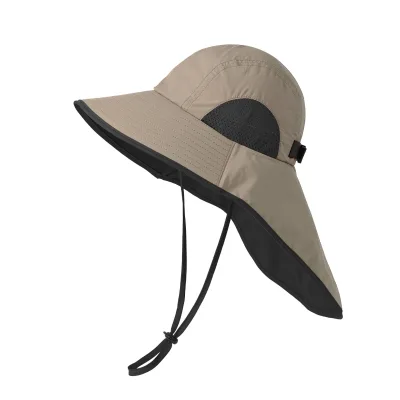



Comprehensive Sourcing Guide
Hiking Hat Sourcing Guide
Sourcing hiking hats requires balancing performance durability with aesthetic customization, as the market offers diverse options ranging from lightweight summer caps to insulated winter models. Buyers must first define the primary use case, whether it involves high-intensity trail running, casual outdoor leisure, or specialized activities like fishing. The observed product landscape includes various styles such as snapback caps, camping caps, and fisherman hats, each serving distinct functional needs. Understanding these variations is crucial for selecting the right supplier who can deliver the specific structural integrity and material properties required for your target demographic.
The procurement process also demands careful attention to customization capabilities, as many suppliers offer extensive personalization options including custom logos, colors, and sizes. This flexibility allows brands to create unique product identities but introduces complexity in quality control and production timelines. Buyers should evaluate suppliers based on their ability to handle complex embroidery, heat transfer printing, or 3D embroidery techniques without compromising the hat’s structural integrity. Additionally, considering the seasonal versatility of the products, from all-season wear to specific winter or summer applications, ensures that the sourced inventory aligns with broader merchandising strategies and consumer demand cycles.
Product Scope and Observed Listing Signals
The current market for hiking hats exhibits a wide range of material compositions, primarily featuring 100% polyester, 100% cotton, and nylon blends. These materials are selected for their specific performance attributes, such as moisture-wicking, quick-dry capabilities, and breathability, which are essential for outdoor activities. The observed listings indicate a strong emphasis on functional features, including water resistance, windproofing, UV protection, and sun protection. Buyers should note that while many products claim to be lightweight and foldable, the actual weight and packability can vary significantly based on the crown structure and brim design, necessitating sample verification before bulk ordering.
Pattern themes and decorative techniques also vary widely, with options including embroidered letters, printed plants, and camouflage designs. The use of 3D embroidery and flat embroidery adds texture and visual appeal, while heat transfer printing offers detailed graphic options. Some products feature reversible designs or smart features like integrated lights, catering to niche markets. The color palette is extensive, ranging from standard black and white to vibrant options like yellow, red, and purple. Buyers must verify that the chosen pattern technology aligns with their brand’s aesthetic goals and that the customization options do not inadvertently compromise the hat’s durability or comfort during extended outdoor use.
Technical Specifications to Verify
Verifying technical specifications is critical to ensuring the hiking hats meet performance expectations. Key attributes to confirm include the crown structure, which may be with or without a crown, and the brim design, which can significantly impact sun protection and visibility. The panel count, such as five-panel constructions, affects the hat’s fit and ventilation. Buyers should also check the size specifications, which range from fixed sizes like 58cm and 56-60cm to fully customizable options. Ensuring the correct fit is essential for customer satisfaction, particularly for unisex and adult demographics, as improper sizing can lead to discomfort during prolonged wear.
Material composition and special features must be cross-referenced with the intended use case. For instance, hats marketed for winter use may include ear warmers, while summer-focused models prioritize breathability and lightweight construction. Features like moisture-wicking, quick-dry, and anti-odor properties are vital for active users. Additionally, the presence of adjustable closures, such as ponytail holes or standard straps, impacts usability for different hair types and styles. Buyers should request detailed spec sheets that outline the exact material percentages, stitching techniques, and any additional treatments applied to the fabric, such as wrinkle-free or radiation-blocking finishes, to ensure they align with product claims.
Compliance and Safety Documentation
While specific certification standards are not universally listed for all hiking hats, buyers must ensure that suppliers can provide relevant safety and quality documentation upon request. This includes verifying that materials used, such as polyester, cotton, and nylon, comply with international textile safety regulations regarding chemical residues and flammability. For hats with electronic components, such as those with integrated lights or music features, additional electrical safety certifications may be required. Buyers should inquire about the supplier’s quality management systems and whether they adhere to recognized standards for manufacturing consistency and product safety.
Packaging and labeling compliance is another critical area. Products are often shipped in cartons, boxes, or polybags, and buyers must ensure that packaging materials are sustainable and meet destination country regulations. Labels should include accurate care instructions, material composition, and country of origin, which is frequently China or specific regions like Hebei. Buyers should also verify that any custom branding or logos applied to the hats do not violate intellectual property rights. Requesting test reports for colorfastness, shrinkage, and seam strength can provide additional assurance of product quality and durability, helping to mitigate risks associated with returns or customer complaints.
Cost Drivers and Commercial Terms
Several factors influence the cost of hiking hats, including material selection, customization complexity, and order volume. The observed price range of 0.9 to 19.9 USD reflects significant variation based on these variables. Simple, unbranded caps made from basic polyester may fall at the lower end, while hats with intricate 3D embroidery, multiple color panels, or specialized features like rechargeable lights command higher prices. The minimum order quantity (MOQ) ranges from 1 to 1000 units, offering flexibility for small businesses and large enterprises alike. Buyers should negotiate terms that balance cost efficiency with the need for inventory diversity, considering the impact of MOQs on cash flow and storage.
Commercial terms also encompass packaging and shipping logistics. Products are typically packed in cartons or boxes, with single gross weights varying from lightweight models to heavier, feature-rich versions. Buyers should clarify whether packaging costs are included in the unit price and inquire about bulk shipping discounts. Lead times can be affected by the customization process, particularly for custom logos and sizes. Establishing clear communication regarding production schedules and quality checkpoints can help manage expectations and ensure timely delivery. Additionally, understanding the supplier’s policies on defects and returns is essential for protecting against potential losses during the procurement process.
Supplier Qualification and Quality Control
Selecting a reliable supplier involves assessing their production capabilities, quality control processes, and responsiveness to customization requests. Buyers should verify the supplier’s experience in manufacturing hiking hats and their ability to handle various materials and decorative techniques. Requesting samples is a crucial step to evaluate the quality of stitching, material feel, and overall construction. Suppliers who offer customizable packaging and adhere to specific quality standards demonstrate a higher level of professionalism and commitment to customer satisfaction. It is also important to check the supplier’s reputation and history of fulfilling orders on time and within budget.
Quality control measures should be clearly defined and agreed upon before production begins. This includes establishing acceptable tolerances for size variations, color matching, and defect rates. Buyers may consider implementing third-party inspections during production or before shipment to ensure compliance with agreed-upon specifications. Suppliers who provide detailed production updates and are transparent about any potential issues are preferable for long-term partnerships. Additionally, evaluating the supplier’s customer service responsiveness can indicate their ability to handle post-sale inquiries and resolve any problems that may arise. Building a strong relationship with a qualified supplier can lead to better pricing, priority production, and improved product quality over time.
Long-Term Procurement Checks
Establishing long-term procurement relationships requires ongoing monitoring of supplier performance and product quality. Buyers should regularly review key performance indicators such as on-time delivery rates, defect rates, and responsiveness to issues. Consistent quality across batches is essential for maintaining brand reputation and customer trust. Suppliers who demonstrate continuous improvement and adaptability to changing market trends are valuable partners. Buyers should also stay informed about industry developments, such as new materials or sustainable manufacturing practices, to ensure their sourcing strategies remain competitive and aligned with consumer preferences.
Regular communication with suppliers helps identify potential issues early and fosters collaboration on product innovation. Buyers should encourage suppliers to propose new designs or features that could enhance the hiking hat line. Additionally, reviewing market feedback and sales data can provide insights into which products are performing well and which may need adjustment. By maintaining a proactive approach to supplier management, buyers can mitigate risks, optimize costs, and ensure a steady supply of high-quality hiking hats. This strategic focus on long-term partnerships contributes to sustainable growth and success in the competitive outdoor apparel market.
FAQs
What materials are used for hiking hats?
Hiking hats are commonly made from 100% polyester, 100% cotton, or nylon. These materials offer durability and comfort for outdoor activities. Some options feature moisture-wicking properties to keep wearers dry during intense physical exertion in various weather conditions.
Can I customize the logo on these hats?
Yes, custom logos are available for most hiking hat models. Buyers can request specific branding designs to be embroidered or printed on the product. This customization service allows businesses to create unique merchandise that aligns with their specific brand identity and marketing goals.
What sizes are available for these hats?
Sizes range from standard 56-60cm to fully customized dimensions. Some models offer a fixed 58cm fit while others allow for tailored sizing. This flexibility ensures a proper fit for different head shapes and allows buyers to meet specific demographic requirements for their target audience.
Are these hats suitable for all seasons?
Many hiking hats are designed for all-season use, including spring, autumn, summer, and winter. Features like windproofing, sun protection, and breathability make them versatile. Some models also include ear warmers or reversible designs to adapt to changing weather conditions throughout the year.
How are these hats packaged for shipping?
Packaging options include polybags, cartons, or individual boxes depending on the order. Standard packing often involves placing items in cartons for bulk shipping efficiency. Customized packaging is also available to meet specific branding or retail display requirements for different market segments.
What is the minimum order quantity for these hats?
Minimum order quantities vary from 1 unit up to 1000 units depending on the supplier. This wide range accommodates both small trial orders and large bulk purchases. Buyers should check specific supplier terms to find the most suitable quantity for their initial procurement needs.
Do these hats offer sun protection features?
Yes, many hiking hats include UV resistance and sun protection features. Some models are also water-resistant and quick-drying for outdoor reliability. These functional attributes ensure that wearers stay protected from harmful sun rays while engaging in hiking or other outdoor recreational activities.